Ensuring the safety of new and expectant mothers
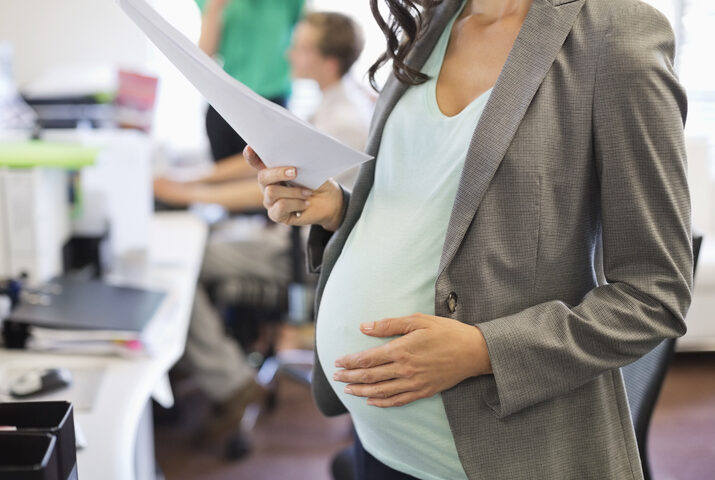
Managing the health, safety and wellbeing of new and expectant mothers is a vital responsibility for all employers. Pregnancy, recent childbirth and breastfeeding can introduce temporary but significant changes to an employee’s needs and capabilities, meaning workplace risks must be carefully reviewed and controlled. By encouraging early communication, carrying out suitable risk assessments and making reasonable adjustments, employers can reduce the likelihood of harm to both mother and baby.
A proactive approach not only ensures compliance with health and safety legislation but also helps to create a supportive and inclusive working environment. Regular reviews, open dialogue and practical adjustments – such as amended duties, rest facilities or flexible working arrangements – can make a real difference. Ultimately, managing risks for new and expectant mothers is about balancing operational needs with care, understanding and respect, ensuring employees feel safe, valued and supported during this important time.
Who is a new and expectant mother?
In health and safety terms, a new and expectant mother is defined as someone who:
· Is pregnant;
· Has given birth in the last 6 months; or
· Is currently breastfeeding.
What are the risks?
Risks may include manual handling, fatigue, exposure to hazardous substances, stress, prolonged standing or sitting, use of PPE and unsuitable working conditions. Without proper control, these risks may affect both the mother and baby.
What should I do when someone informs me that they are pregnant?
Once you have been informed that someone is pregnant, it is vitally important that you review their work activities to identify what risks are present. This is done through the completion of a new and expectant mothers risk assessment. This process will ensure that all foreseeable risks are identified, and control measures highlighted which reduce the risks.
How do I complete a new and expectant mothers risk assessment?
The risk assessment process can be simple and achieved through open lines of communication with the new and expectant mothers. Ask them about their pregnancy, (has anything been highlighted by medical professionals which is worthy of discussion from a workplace perspective), their role and any risks they feel are associated with their tasks, the support they get from management and any commuting factors or travel requirements.
You need to get the full picture of someone’s role, how they are feeling as well as any medical advice, to be able to understand the risks associated with their work. Once this is done, go through each risk one-by-one, identifying the controls need to reduce these risks.
Should I review the risk assessment?
100% – any risk assessment must be kept under review. This is specifically important for expectant mothers as their pregnancy progresses as the pregnancy may affect the workers:
· Dexterity
· Agility
· Coordination
· Speed of movement
· Reach
What if I can control or remove the risk?
Where you are unable to control or remove the risks highlighted, you must do the following:
· Action 1: adjust the working conditions or hours to avoid the risk (if this is possible). If this is not possible:
· Action 2: give them suitable alternative work (where appropriate). If this is not possible:
· Action 3: suspend your worker on paid leave for as long as necessary to protect their health and safety and that of their child.
If you are unsure of what you need to do in this scenario, it is important that you speak with both your health and safety advisor, as well as a member of HR.
Frequently Asked Questions
Who completes a new and expectant mothers risk assessment?
As the employer, it is your responsibility to ensure that the assessment is carried out. If you are unsure how to complete this, obtain professional advice.
Can a pregnant worker carry out manual handling?
Only if risks are assessed and controlled; many tasks may need modification. This will be a case-by-case basis based on the types of lifting activities which need to be carried out, the weights being lifted and the frequency.
Do I need to provide a pregnant worker with somewhere to relax?
Yes, you must provide an area which is suitable for new and expectant mothers to rest it. It should include:
· Somewhere to lie down (if necessary)
· Be hygienic and private so they can express milk if they chose to
· Include somewhere to store their milk (for example, a fridge)
What if a new or expectant mother uses a computer?
For those who use display screen equipment as part of their work, it is important that you assess their set-up periodically throughout the pregnancy, to ensure that this is not putting the new and expectant workers at any risk through its continued use.
Can a new and expectant mother work nights?
In short, yes. However, this is provided that the risks associated with working at night prevent no risks to the health and safety of them or their child.
However, you should offer suitable alternative ay work, on the same terms and conditions, when:
· The risk assessment has identified a risk from night work; or
· Where their doctor or midwife has provided a medical certificate stating they should not work nights.
If it is not possible to provide alternative day work, you must suspend them from work on paid leave for as long as necessary to protect their health and safety and of their child.