
How to safely use and maintain portable electrical equipment in the workplace – a complete guide

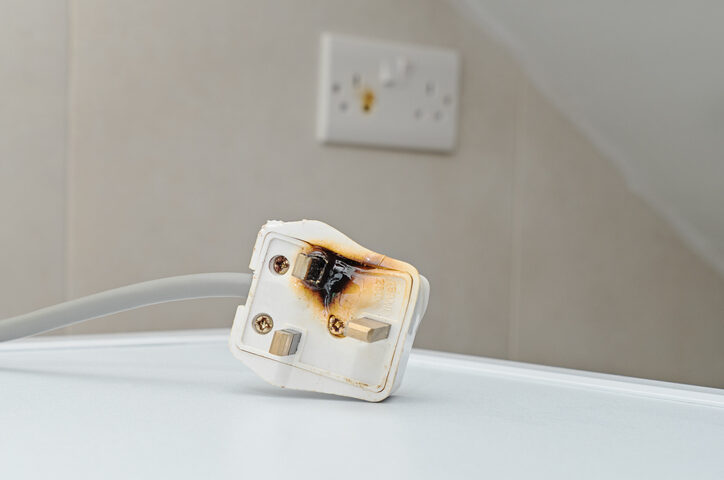
Portable electrical equipment is used daily in almost every workplace, from offices to construction sites. However, if not properly maintained, it can pose serious electrical safety risks. This guide explains what portable electrical equipment is, the hazards involved, and how proper inspection and testing can help keep your workplace safe and compliant.
What is portable electrical equipment in the workplace?
Whilst there is no strict legal definition of portable equipment, the HSE confirm it as:
“Equipment that is intended to be connected to a generator or a fixed installation by means of a flexible cable and either a plug and socket or a spur box, or similar means”.
This includes equipment that is either hand-held or hand-operated while connected to the supply, intended to be moved while connected to the supply, or likely to be moved while connected to the supply.
Common portable electrical equipment items include;
· Office Equipment (printers, monitors, laptops)
· Kitchen appliances
· Handheld tools
· Fans
· Extension leads
What are the hazards with using portable electrical equipment?
If portable electrical equipment is not properly maintained or correctly used, it can pose hazards to your workplace, including:
· Electrical Shocks;
· Fires; and
· Burns.
How to maintain portable electrical equipment?
There are 3 areas of inspection and testing of portable electrical equipment to ensure that they are maintained. The 3 areas are as follows:
1. User Checks: this is conducted by the user of the equipment and includes a visual inspection to ensure that there is nothing that stands out or is obviously damaged.
Training of staff should be provided in order for the user to spot damage as soon as possible. Things that the staff should check on user checks should be but not limited to;
· frayed or split cables
· cracked casings loose plugs, or
· any signs of overheating
2. Formal Visual Inspection: this is conducted by a trained and competent person. The inspection should be recorded and is aimed at looking at the less obvious signs of damage (i.e., improper wiring, incorrect fuse ratings).
3. Combined Inspection and Testing (PAT testing): The third and final level of inspection is known as Combined inspection and testing. This level of testing is conducted by an electrically competent person. This is normally best demonstrated by completing PAT testing. This level of inspection looks at Earthing, Continuity and insulation resistance. This level of inspection will look at defects that cannot be seen with visual inspections.
How often should portable electrical equipment be inspected?
Inspection timelines vary on different types of equipment and where and how they are used. The level of risk associated with the piece of portable electrical equipment and the environment it used will determine the frequency and level of inspection rather than a fixed legal interval. By assessing the risks associated, the duty holder will decide on frequency and level of inspection. To help with this you can consult the HSE website here: HSE Portable Electrical Equipment where you will find the initial suggested maintenance table.
Summary
In summary, portable electrical equipment can and should be used to enhance your workplace. Correct selection, placement, use and maintenance will allow for a safe and efficient working environment. It is imperative that the risks are assessed with control measures to protect the workforce. A correct and proper inspection regime should be created to allow for safe use and a safe workplace.
Frequently asked questions
Is PAT Testing a legal requirement?
Portable Appliance Testing (better known as “PAT testing” or “PA Testing” is not a legal requirement under UK health and safety legislation. That being said, all pieces of electrical equipment require three levels of inspection, specifically including the Combined Inspection and Testing phase, which is achieved through the PAT testing process. PAT testing is the industry standard and best practice when inspecting a piece of portable electrical equipment at the combined inspection and testing stage to ensure compliance.
Can a member of my staff carry out PAT testing?
In short, the answer is yes. However as stated from the HSE, the person must be competent, trained and experienced when conducting PAT Testing. They will need to be able to;
· Have access to the right equipment to do the tests
· Have the ability to use this test equipment properly
· Have the ability to properly understand the test results
To meet the Competent and trained requirements set up by the HSE, the employee would be required to attend a PAT testing course.
What happens if something fails its PAT test?
Should your piece of portable electrical equipment fail PAT Testing it should be immediately removed from use. The item should then be labelled as “Failed PAT Test” and isolated or quarantined. Following this you will either need a competent person to inspect the piece of equipment, repair it and then re-test it, or dispose of it using the correct channels.
Who is responsible for the management of portable electrical equipment (employee v employer)?
In reality – both!
Employers are responsible for ensuring that a framework exists for the maintenance of portable electrical equipment, as outlined in this guide. However, employees also play a key part, particularly in the user checks and formal visual inspection stage. Employees will interact with items of portable electrical equipment on a daily basis, who will be able to identify in the early stages, and visual defects.